

 By Rohit More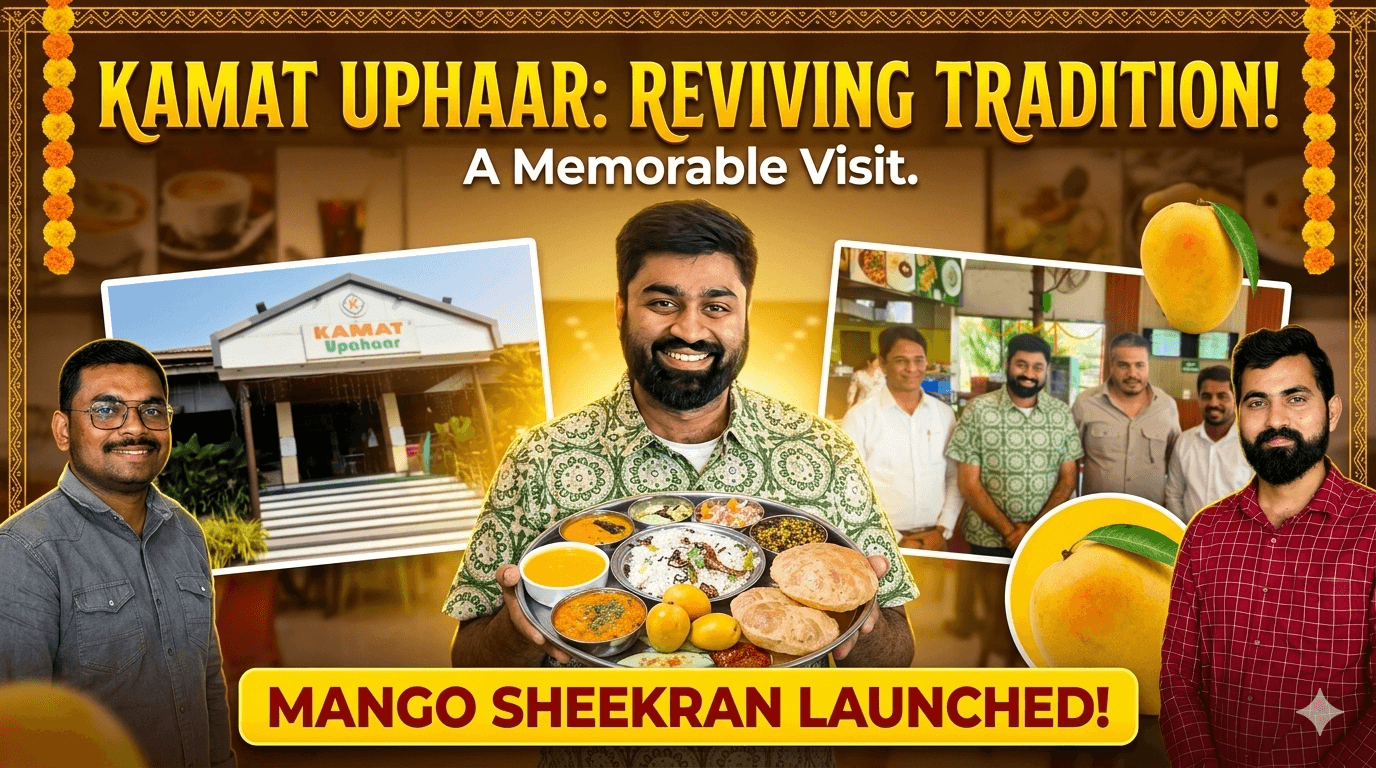
On 4th May, I had the opportunity to visit Kamat Uphaar for the launch of a dish that felt far more meaningful than a seasonal addition to the menu. It was the launch of mango sheekran a traditional summer delicacy prepared using pulp from old, traditional mango varieties that once formed an essential part of rural life but are now slowly disappearing.
What made this visit special was not only the food. It was the larger conversation around heritage, agriculture, media, and memory. At a time when food trends often move toward novelty and speed, this experience at Kamat Uphaar felt rooted in something deeper tradition.
From the moment I arrived, it was clear that this was not merely a product launch. It was an effort to bring attention back to ingredients, stories, and flavors that are gradually fading from everyday life.
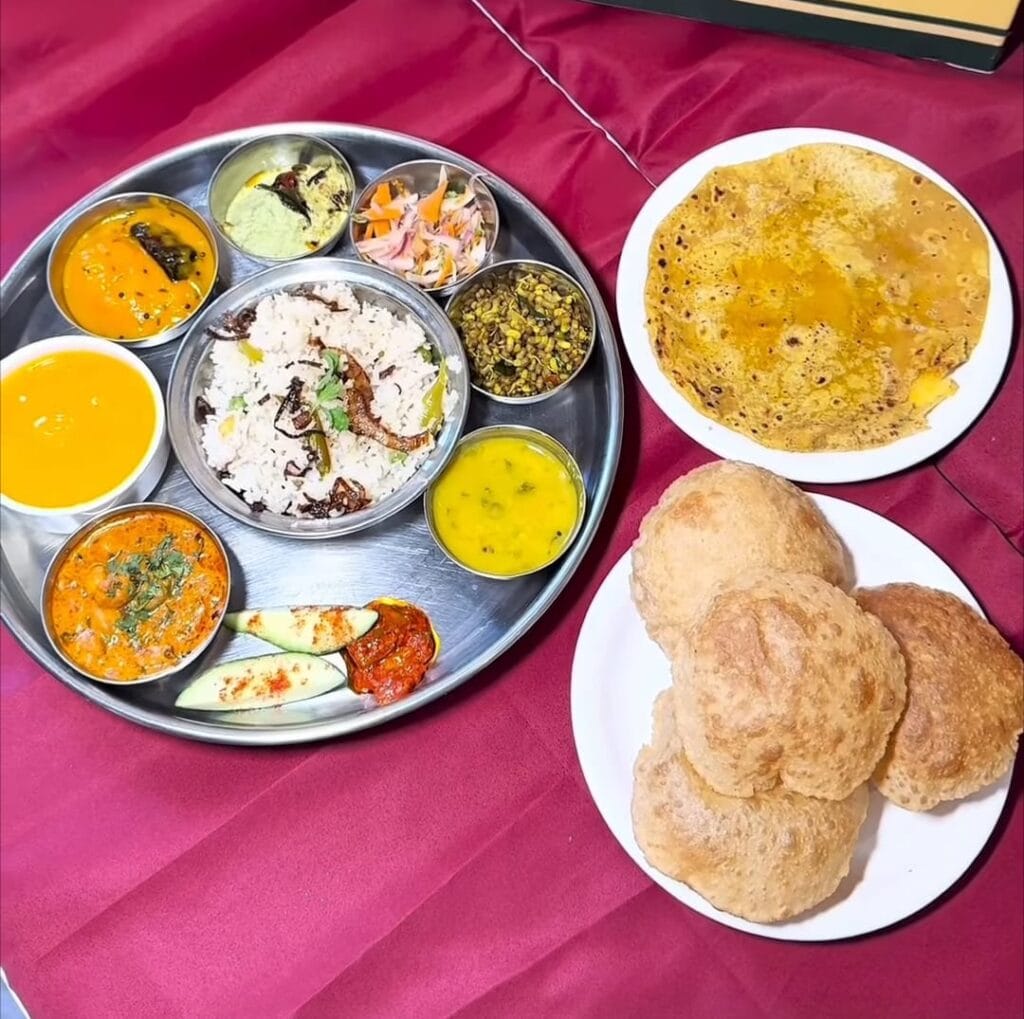
A table full of tradition
The spread at Kamat Uphaar reflected the warmth of regional comfort food. The table was filled with familiar dishes puri, rice, accompaniments, curry, chutneys, and seasonal preparations. Every element carried the kind of simplicity that instantly reminds you of home-cooked meals.
But the true highlight of the day was the newly launched mango sheekran.
For many families in Maharashtra and Karnataka, sheekran is not merely a dessert. It is part of summer itself. It carries memories of childhood afternoons, family gatherings, and the joy of mango season. It is simple, but emotionally rich.
What made the mango sheekran at Kamat Uphaar especially meaningful was that it was prepared using the pulp of traditional old mango varieties, not simply commercial market mangoes.
That single choice gave the dish a larger meaning.
It was not only about sweetness.
It was about preserving flavor heritage.
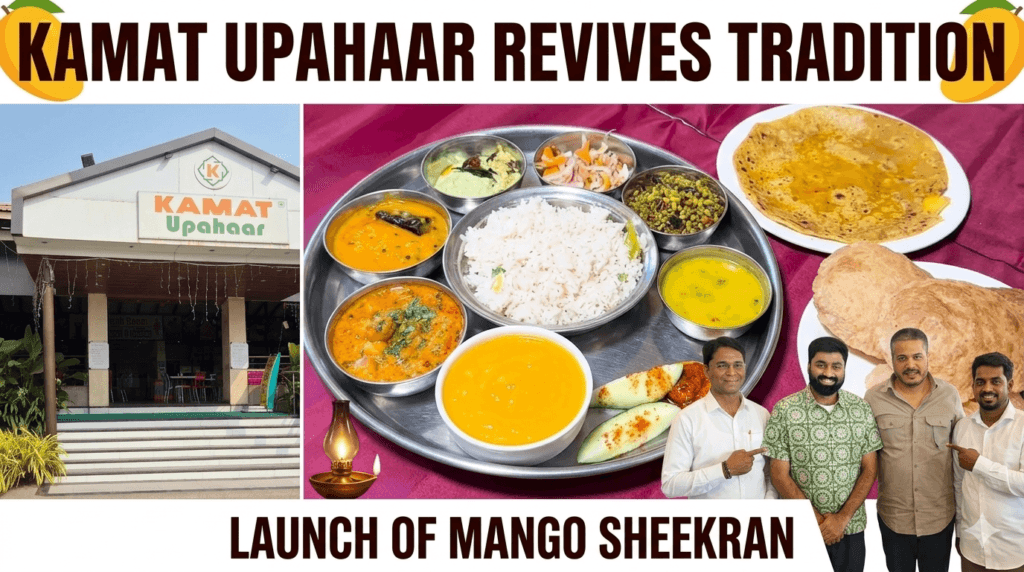
Meeting Akashrai Kamat and understanding the legacy of Kamat Uphaar
During the visit, I had the opportunity to meet Akashrai Kamat, who is carrying forward the legacy of Kamat Uphaar.
The Kamat Uphaar name already carries strong recognition because of its successful journey through multiple branches in Karnataka. Over the years, it has become associated with dependable vegetarian dining, regional authenticity, and the kind of food families return to with trust.
Now, seeing Kamat Uphaar strengthen its presence in Maharashtra feels particularly significant.
Maharashtra has a deep culinary identity of its own one rooted in seasonal ingredients, agricultural diversity, and regional memory. In that context, launching mango sheekran made from traditional mango pulp felt especially thoughtful.
What stood out during my interaction with Akashrai Kamat was the understanding that growth does not always mean moving away from roots.
Sometimes, growth means giving tradition a new platform.
And that is exactly what this launch represented.
Why traditional mangoes matter
One of the most meaningful discussions during my visit to Kamat Uphaar was about traditional mango varieties that are slowly disappearing.
Across many villages in Maharashtra, older mango trees still survive. These are not always the polished, perfectly sized commercial fruits that dominate wholesale markets. Many are smaller. Some are uneven in shape. Some do not travel long distances well.
But what they often carry is something rare distinct identity.
Traditional mangoes often have:
- stronger aroma
- richer pulp
- deeper local character
- unique seasonal flavor
- a powerful emotional connection to place
Older generations knew these mangoes well.
Families often recognized different trees by taste alone. Some mangoes were ideal for fresh eating. Some were better for ras. Some were perfect for pickles. And some were best suited for dishes like sheekran.
Over time, commercial farming naturally shifted toward varieties that are easier to transport, more uniform in appearance, and more profitable at scale.
That shift makes economic sense.
But it also has cultural consequences.
When traditional mangoes disappear, we lose more than fruit.
We lose:
- agricultural diversity
- local flavor memory
- regional identity
- farming knowledge
- a part of cultural history
That is why the mango sheekran launch at Kamat Uphaar felt meaningful.
Because food has the power to bring forgotten conversations back to the table.
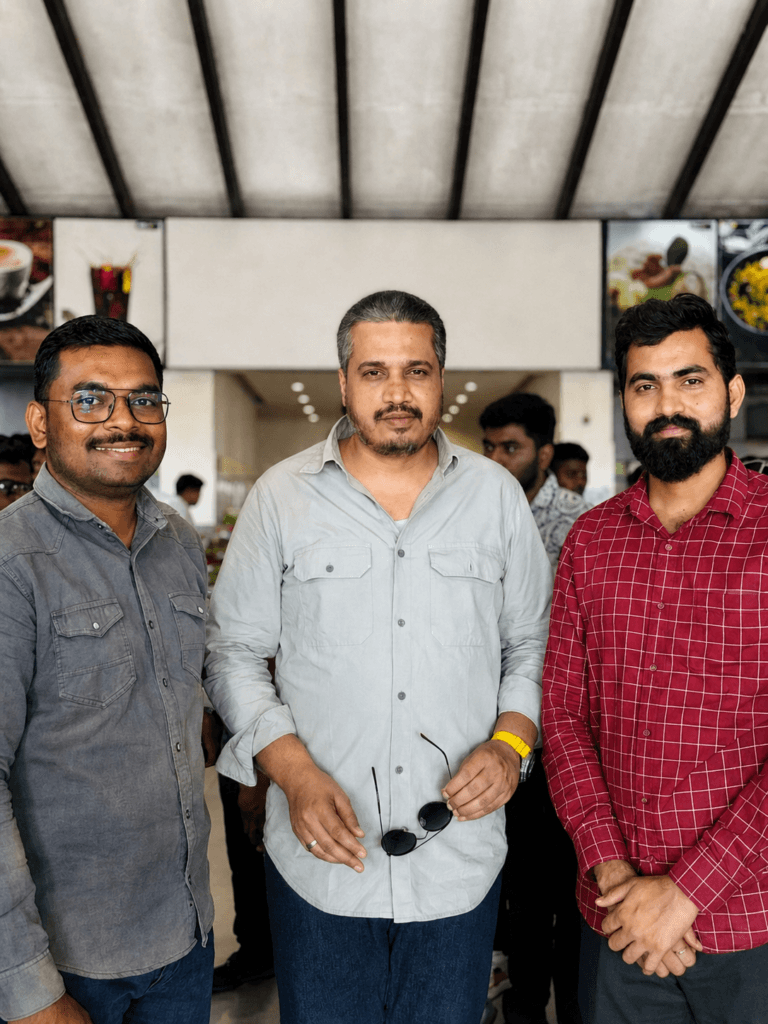
Meeting MLA Rohit Pawar: a conversation beyond food
Another memorable moment during the visit was meeting Rohit Pawar.
Our conversation moved beyond food and hospitality into something equally relevant today video vlogging, voice, and the changing role of media.
In today’s digital era, communication has changed rapidly.
People no longer depend only on newspapers or television. Stories now travel through mobile screens, interviews, short videos, podcasts, and ground-level digital content.
That is where video vlogging has become powerful.
During the discussion with Rohit Pawar, one thought stood out clearly:
Voice carries power.
A written line can inform.
A visual can attract.
But a voice can create trust.
Voice carries emotion, urgency, and authenticity.
When someone speaks directly from the ground from a village, a farm, a market, or a public gathering the message often feels more immediate and more real.
That is why video vlogging matters today.
It does not merely record events.
It preserves authentic voices.
In many ways, this connects deeply with the larger idea of media as the fourth pillar of democracy.
Media does more than report events. It asks questions, preserves public memory, amplifies unheard voices, and helps society understand itself.
Today, that role is expanding.
Ground-level vloggers, regional storytellers, digital creators, and local field reporters are increasingly becoming part of that larger public conversation.
That discussion felt especially relevant on that day.
Because just as traditional mangoes disappear unless someone values and preserves them, local stories too can disappear unless someone documents them honestly.
Mango sheekran at Kamat Uphaar is more than a seasonal dessert
At first glance, mango sheekran may seem simple.
But traditional food often carries meaning through simplicity.
The mango sheekran served at Kamat Uphaar had a naturally rich taste. The sweetness felt balanced. The texture was smooth. Most importantly, the flavor had the layered depth that often comes only from older fruit varieties.
That is the real difference.
When traditional ingredients lead the dish, complexity is not necessary.
The ingredient itself speaks.
This is why the launch matters.
Restaurants influence memory.
What appears on menus shapes what younger generations try, what diners remember, and even what farmers may continue growing.
If respected establishments like Kamat Uphaar choose to highlight dishes made from traditional mango varieties, that creates something important demand.
And demand can help protect heritage.
A gathering of people who value tradition
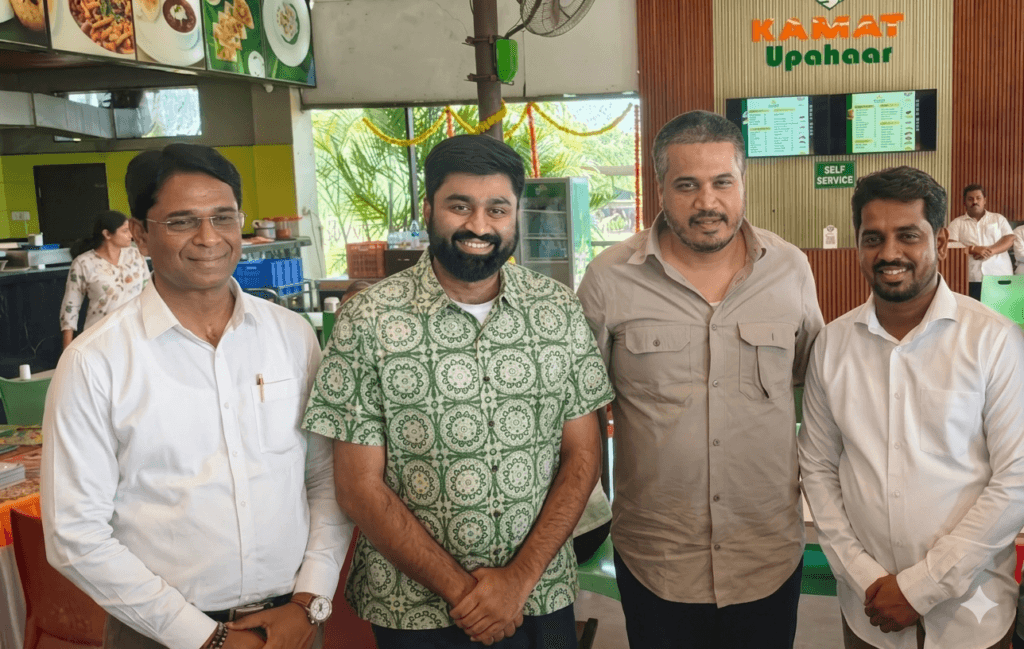
The event also brought together several important people who added to the significance of the occasion.
Present at the gathering were representatives of Jadhav Brothers Udyog Samuh, Nilesh Jadhav and Nitin Jadhav.
Also present was Akashrai Kamat from Kamat Food, along with local office-bearers and workers.
Their presence made it clear that this was not simply a food launch.
It was a gathering around ideas heritage, agriculture, entrepreneurship, communication, and cultural continuity.
Kamat Uphaar in Maharashtra: more than expansion
When hospitality brands enter new regions, conversations often focus only on scale, branches, and business growth.
But what impressed me during this visit was that Kamat Uphaar seems to understand something deeper.
Its growing presence in Maharashtra feels less like expansion and more like participation in local culture.
Maharashtra shares a deeply emotional relationship with mangoes.
Here, mango is not just fruit.
It is part of:
- summer identity
- village memory
- seasonal rituals
- family meals
- agricultural heritage
By launching mango sheekran made from traditional mango pulp, Kamat Uphaar is doing more than introducing a seasonal dish.
It is entering the local cultural conversation respectfully.
And that matters.
Because when food businesses honor local memory, they become more than restaurants.
They become participants in preservation.
Why preserving traditional mangoes matters for the future
As I left Kamat Uphaar on 4th May, one question stayed with me:
What happens when traditional mangoes disappear?
At first, it may seem like nothing changes.
Markets still sell mangoes.
Summer still comes.
People still enjoy fruit.
But something deeper changes quietly.
Flavor becomes standardized.
Diversity becomes narrower.
Children grow up knowing fewer varieties than their grandparents did.
Recipes begin tasting slightly different.
Local identity becomes weaker.
This is not only a food issue.
It is also:
- an agricultural issue
- an ecological issue
- a cultural issue
Traditional fruit varieties often represent generations of adaptation to local climate, soil, and community life.
When they disappear, resilience disappears too.
That is why places like Kamat Uphaar can play a surprisingly important role.
By making traditional ingredients visible again, they help create awareness.
And awareness is the first step toward preservation.
My takeaway from Kamat Uphaar
I had gone to Kamat Uphaar expecting a food launch.
I left thinking about orchards, forgotten mango varieties, rural memory, and the importance of documenting both flavors and voices.
The conversations with Akashrai Kamat and Rohit Pawar made the visit especially meaningful.
One conversation focused on preserving traditional food.
The other focused on preserving authentic voices.
And in many ways, both conversations carried the same message:
What we choose to preserve shapes what the future remembers.
Final thoughts
In a time when food increasingly moves toward speed, convenience, and uniformity, my visit to Kamat Uphaar on 4th May felt refreshingly grounded.
The launch of mango sheekran was not loud.
It was thoughtful.
It carried the taste of old summers.
It carried the memory of traditional mango orchards.
And it carried an important message that heritage can survive when someone chooses to value it.
That is why this experience at Kamat Uphaar stayed with me.
Because sometimes a dish is not just food.
Sometimes it is memory.
Sometimes it is identity.
Sometimes it is preservation.
And sometimes, as I felt at Kamat Uphaar, it is a reminder that tradition still deserves a place at the table.
The Power of Our District PR Ecosystem
We are not just a media agency we are building an entire district-level digital infrastructure with:
Each site provides:
- SEO blog space
- Video PR hosting
- Local business features
- Event coverage
- News updates