

 By Rohit More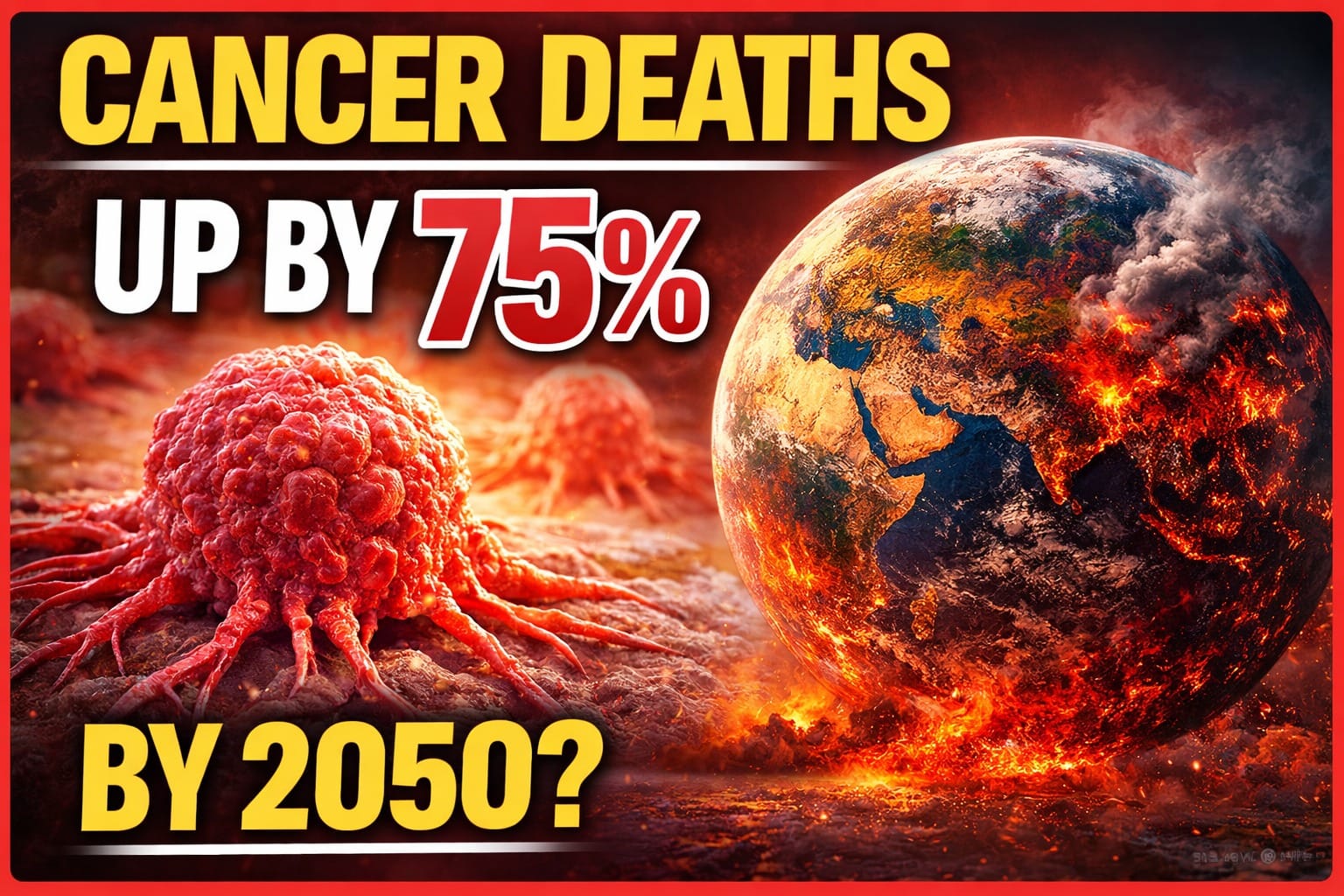
Global Cancer – कर्करोग हा 21व्या शतकातील सर्वात गंभीर जागतिक आरोग्य आव्हानांपैकी एक ठरला आहे. Global Burden of Disease (GBD) Study 2023 अंतर्गत केलेल्या “The Global, Regional, and National Burden of Cancer, 1990–2023, with Forecasts to 2050” या सविस्तर अभ्यासानुसार, येत्या काही दशकांत जगभरात कर्करोगाच्या रुग्णसंख्या आणि मृत्यूंमध्ये प्रचंड वाढ होण्याचा अंदाज आहे. या अभ्यासातील सर्वात धक्कादायक निष्कर्ष म्हणजे 2050 पर्यंत कर्करोगामुळे होणारे मृत्यू सुमारे 75% ने वाढतील.
2023 मधील जागतिक कर्करोगाची स्थिती
2023 मध्ये (नॉन-मेलानोमा त्वचारोग वगळता) जगभरात 1.85 कोटी नवीन कर्करोग रुग्ण आढळले आणि 1.04 कोटी लोकांचा मृत्यू कर्करोगामुळे झाला. कर्करोग हा 2023 मध्ये हृदयविकारानंतरचा दुसरा प्रमुख मृत्यूकारक आजार ठरला. या आजारामुळे जगभरात सुमारे 27.1 कोटी Disability Adjusted Life Years (DALYs) गमावली गेली, म्हणजेच अकाली मृत्यू आणि आजारपणामुळे होणारे नुकसान अत्यंत मोठे आहे.
या भाराचे वितरण अत्यंत असमान आहे. कमी उत्पन्न, निम्न-मध्यम आणि उच्च-मध्यम उत्पन्न गटातील देशांमध्येच सुमारे 66% कर्करोग मृत्यू आणि जवळपास 58% नवीन रुग्ण नोंदवले गेले. या देशांमध्ये वेळेवर निदान, उपचार सुविधा आणि कर्करोग निगराणी प्रणालींचा अभाव असल्यामुळे परिस्थिती अधिक गंभीर आहे.
जोखीम घटकांचा वाढता प्रभाव
GBD 2023 अभ्यासानुसार, 2023 मध्ये झालेल्या 41.7% कर्करोग मृत्यू हे टाळता येण्यासारख्या जोखीम घटकांशी संबंधित होते. यात तंबाखू सेवन, मद्यपान, असंतुलित आहार, हवेचे प्रदूषण, व्यावसायिक धोके आणि लठ्ठपणा यांचा समावेश आहे. 1990 ते 2023 या कालावधीत जोखीम घटकांमुळे होणारे कर्करोग मृत्यू 72% पेक्षा अधिक वाढले, जे एक गंभीर इशारा आहे.
2050 चा अंदाज: कर्करोग मृत्यूंमध्ये 75% वाढ
भविष्याकडे पाहिल्यास चित्र अधिक चिंताजनक आहे. 2050 पर्यंत जगभरात दरवर्षी सुमारे 3.05 कोटी नवीन कर्करोग रुग्ण आणि 1.86 कोटी मृत्यू होतील, असा अंदाज GBD 2023 अभ्यासात वर्तवण्यात आला आहे. म्हणजेच 2024 च्या तुलनेत कर्करोग मृत्यूंमध्ये सुमारे 75% वाढ होईल.
महत्त्वाची बाब म्हणजे ही वाढ प्रामुख्याने लोकसंख्या वाढ आणि लोकसंख्येचे वृद्धत्व यामुळे होणार आहे. जागतिक पातळीवर वयमानानुसार मृत्यूदर थोडासा कमी होण्याचा अंदाज असला, तरी तो वाढत्या वृद्ध लोकसंख्येचा परिणाम भरून काढण्यासाठी अपुरा ठरेल.
गरीब आणि मध्यम उत्पन्न देशांवर अधिक भार
2050 पर्यंत कमी व मध्यम उत्पन्न देशांमध्ये कर्करोग मृत्यूंमध्ये 90% पेक्षा जास्त वाढ होण्याची शक्यता आहे, तर उच्च उत्पन्न देशांमध्ये ही वाढ सुमारे 43% असेल. याचा अर्थ, ज्या देशांकडे आधीच मर्यादित आरोग्य संसाधने आहेत, त्यांच्यावर सर्वाधिक ताण येणार आहे.
SDG उद्दिष्टे आणि अपुरी प्रगती
संयुक्त राष्ट्रांच्या Sustainable Development Goal 3.4 नुसार 2015 ते 2030 या काळात कर्करोगासह असंसर्गजन्य आजारांमुळे होणारे अकाली मृत्यू एक-तृतीयांशाने कमी करण्याचे उद्दिष्ट आहे. मात्र GBD 2023 च्या अंदाजानुसार, 30 ते 70 वयोगटातील कर्करोग मृत्यूंचा धोका फक्त सुमारे 6.5% नेच कमी होण्याची शक्यता आहे, जे उद्दिष्टापेक्षा खूपच कमी आहे.
पुढचा मार्ग काय?
2050 पर्यंत कर्करोग मृत्यू 75% ने वाढणे अटळ नाही, असेही अभ्यास स्पष्ट करतो. यासाठी आवश्यक आहे:
- तंबाखू व मद्य नियंत्रणावर कठोर धोरणे
- लवकर निदान आणि तपासणी कार्यक्रमांचा विस्तार
- स्वस्त आणि सुलभ उपचार सुविधा
- मजबूत आरोग्य व्यवस्था व कर्करोग नोंदणी प्रणाली
- स्थानिक गरजांनुसार कर्करोग नियंत्रण धोरणे
निष्कर्ष
आज कर्करोग हा जागतिक आजारभाराचा मोठा भाग आहे आणि भविष्यात हा भार आणखी वाढणार आहे. योग्य वेळी ठोस पावले उचलली नाहीत, तर 2050 पर्यंत लाखो अतिरिक्त मृत्यू होतील, विशेषतः संसाधनांची कमतरता असलेल्या देशांमध्ये. GBD 2023 चा हा अभ्यास एक स्पष्ट इशारा देतो—जागतिक कर्करोग नियंत्रणासाठी आत्ताच निर्णायक कृती करण्याची गरज आहे.
Cancer has emerged as one of the most formidable public health challenges of the 21st century. According to The Global, Regional, and National Burden of Cancer, 1990–2023, with Forecasts to 2050, a systematic analysis conducted under the Global Burden of Disease (GBD) Study 2023, the world is heading toward a dramatic escalation in cancer cases and deaths over the coming decades. The findings paint a sobering picture: by 2050, global cancer deaths are projected to increase by nearly 75%, placing enormous strain on health systems, particularly in low- and middle-income countries.
The Current Global Cancer Landscape (2023)
In 2023 alone, cancer accounted for 18.5 million new cases and 10.4 million deaths worldwide, excluding non-melanoma skin cancers. Cancer was the second leading cause of death globally, surpassed only by cardiovascular diseases. The disease burden was measured at 271 million disability-adjusted life years (DALYs), reflecting both premature mortality and years lived with disability.
A striking feature of today’s cancer burden is its unequal distribution. Nearly 66% of cancer deaths and 58% of new cases occurred in low-income to upper-middle-income countries. These regions often face limited access to early diagnosis, advanced treatment, and comprehensive cancer care, making them disproportionately vulnerable.
Risk Factors Driving the Burden
The GBD 2023 study also highlights the critical role of preventable risk factors. In 2023, 41.7% of all cancer deaths globally—about 4.33 million deaths—were attributable to known risk factors, including tobacco use, alcohol consumption, unhealthy diets, air pollution, occupational exposures, and metabolic risks such as high body mass index. Alarmingly, risk-attributable cancer deaths increased by more than 72% between 1990 and 2023, closely mirroring the rise in overall cancer mortality.
Forecast to 2050: A 75% Increase in Cancer Deaths
Looking ahead, the forecasts are deeply concerning. By 2050, the world is expected to see:
- 30.5 million new cancer cases annually
- 18.6 million cancer deaths per year
This represents an increase of around 75% in cancer deaths compared with 2024 levels. Importantly, this surge is not primarily driven by worsening cancer risks, but by demographic changes—global population growth and rapid ageing.
While age-standardised cancer death rates are forecast to decline slightly (around 5–6% globally), this improvement is far too modest to offset the impact of an older and larger global population. As a result, the absolute number of people dying from cancer will continue to rise sharply.
A Disproportionate Impact on Low- and Middle-Income Countries
The burden increase will not be evenly shared. Cancer deaths in low- and middle-income countries are projected to rise by more than 90% by 2050, compared with about 43% in high-income countries. These regions often lack robust cancer surveillance systems, trained oncology workforces, affordable medicines, and early screening programs—making the projected rise especially devastating.
Progress Toward SDG Targets: Falling Short
The United Nations Sustainable Development Goal (SDG) 3.4 aims to reduce premature mortality from non-communicable diseases, including cancer, by one-third between 2015 and 2030. However, the GBD 2023 analysis forecasts only a 6.5% reduction in the probability of dying from cancer between ages 30 and 70 during this period—far below the SDG target.
What Must Be Done
The projected 75% rise in cancer deaths by 2050 is not inevitable. The study emphasizes that meaningful progress requires comprehensive, sustained action across the cancer-care continuum, including:
- Stronger tobacco and alcohol control policies
- Investments in early detection and screening
- Improved access to affordable diagnostics and treatment
- Strengthened health systems and cancer registries
- Context-specific strategies tailored to low-resource settings
Conclusion
Cancer already represents a massive global health burden, but the future trajectory is even more alarming. Without urgent, coordinated national and international action, millions of additional lives will be lost to cancer by 2050, with the heaviest toll falling on the world’s most vulnerable populations. The GBD 2023 findings serve as both a warning and a call to action: the time to strengthen global cancer control is now.
The Power of Our District PR Ecosystem
We are not just a media agency—we are building an entire district-level digital infrastructure with:
Each site provides:
- SEO blog space
- Video PR hosting
- Local business features
- Event coverage
- News updates
Global Cancer, Global Cancer, Global Cancer,Global Cancer, Global Cancer